
Summary of the CSP Projects Joint Webinar
6 July, 2021
SOCRATCES power block module
31 August, 2021At the core of Calix’s diverse and versatile innovations is a pioneering technology that re-imagines the calcination process, enabling new applications and materials that solve global challenges.
In SOCRATCES, the technology is used to calcine limestone within a ‘calcium’ or ‘carbonate’ loop to store energy in step 1, which is recovered by recombining the resulting lime and CO2 in the carbonator in step 2. In this case, dispatchable energy is the product.

However, the lime generated by the calcination of limestone in step 1 is also a valuable product.
Calix flash calcination technology is at the cutting edge of high quality, adaptable technology that represents the next generation of thermal mineral processing. Calix’s technology can help improve the sustainability of existing industrial processes through a more optimised use of mineral and chemical resources, and the use of renewable sources of energy.
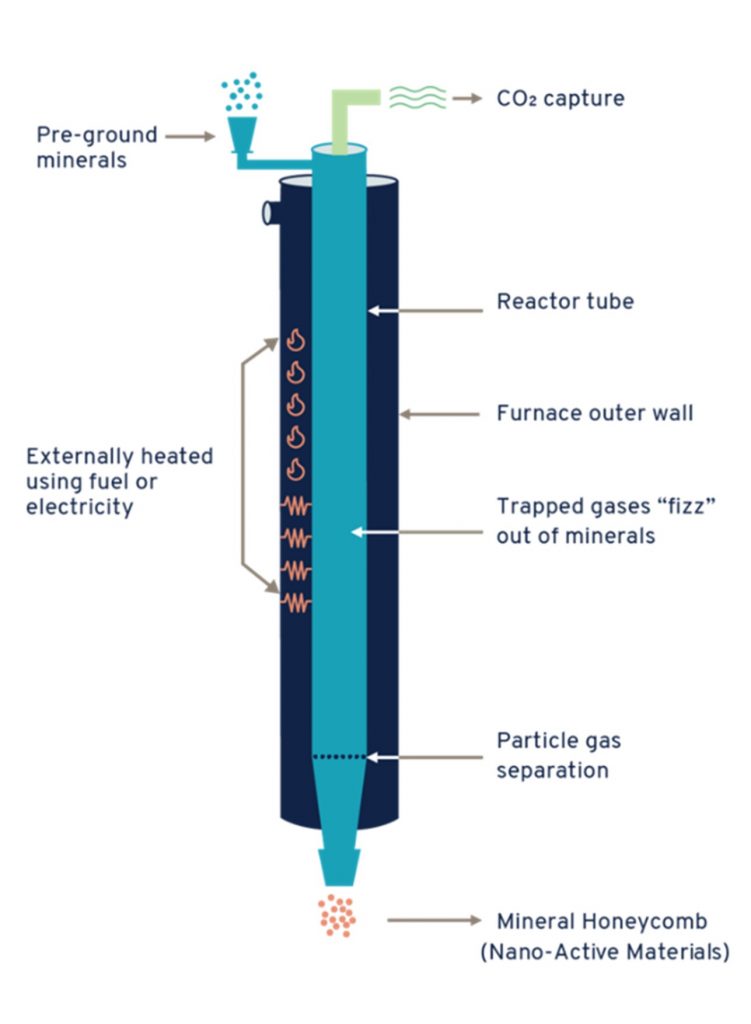
Figure 1: The Calix Flash Calcination process
Of R&D interest are the LEILAC- 1 (Low Emission Intensity Lime and Cement) and LEILAC-2 Projects. LEILAC was a Horizon 2020 consortium project that ran from 2016 until June 2021. It involved the development of Calix’s technology to withstand the higher temperatures required to calcine limestone rather than the already proven processing of magnesite (MgCO3). A 10 tph input, first-of-a-kind pilot plant was built on time and on budget at HeidelbergCement’s CBR Lixhe cement plant in Belgium in 2019, with operations until 2021. The technology was proven, with the plant reaching high purity CO2 product from pure limestone but also from cement raw meal, a mixture of approximately 80% limestone and 20% other minerals.
On the back of this success, LEILAC-2 was launched early 2020, to build a demonstration plant on another operational HeidelbergCement plant in Germany that represents a 4 x scale up of the LEILAC 1 pilot, separating 20% of a cement plant’s process emissions – around 100 ktpa of CO2. A key advancement of the LEILAC-2 demonstrator will be its integration into the cement plant, directly feeding the calcined meal into the existing kiln line, allowing the demonstration of both energy-efficiency and integration / retrofit capabilities through modular design.
Researchers believe the technology behind a pilot reactor, that´s already able to absorb 5% of a cement factory’s total carbon dioxide emissions, could contribute to reaching a target of 100% reduction in carbon dioxide emissions in Europe by 2050.
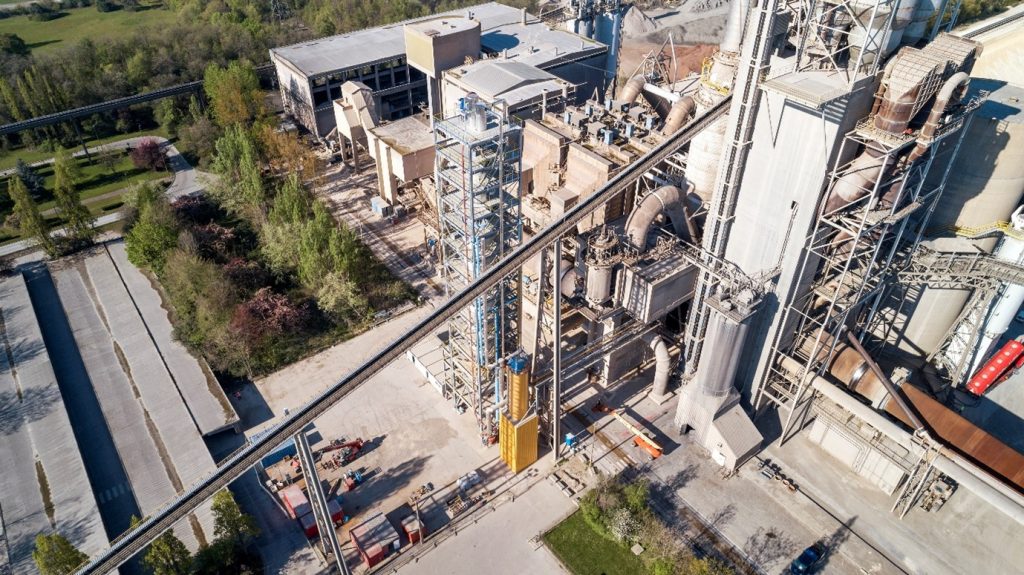
Figure 2: The LEILAC pilot plant in Belgium
Recently, Calix signed an MOU with a leading lime manufacturer to conduct a feasibility and Front-End Engineering Design (FEED) studies on a UK project covering lime production of around 30kTpa, including demonstration of 20kTpa CO2 capture and the potential for various fuel options (including natural gas, hydrogen and electricity).
Calix electric calcination is the next step in thermal mineral processing. The world is shifting from the use of fossil fuels over to clean, adaptable technologies. Calix technology enables this transition to clean fuels, while maintaining flexibility with process integration and energy source.
In a world of low-carbon, renewable electricity, the capture of the ‘process’ CO2 (i.e. from the limestone) and elimination of CO2 from fuel combustion would make lime manufacture near-zero emission, as well as being more ‘carbon efficient’, i.e. more lime produced per tonne of CO2 that is transported and stored. What’s more, it will be possible to retrofit non-electric Calix calciners with electrodes, reducing the costs of electrification in the future and uncertainty about calciner lifetime during a time of revolutionary change in industrial processes. This electrification ability can be considered a breakthrough technology when one observes that many decarbonisation roadmaps consider electrification of cement and lime manufacture to be commercialised only after 2040. Calix already operates an electric calciner on its main production site in Bacchus Marsh, Australia, and the SOCRATCES calciner is also part-electric. LEILAC-2 will involve demonstration of electrification on a larger scale, too. Faster adoption of electric heating in these sectors offers another route to low- or zero-carbon manufacture, especially if biomass starts to become scarce due to requirements in other sectors such as aviation fuel and speciality chemicals.
Another exciting development is ‘multi-fuel’ calciners, which can use electricity as well as another fuel. When electricity is cheap – or the grid requires balancing – the plant can use its electric elements as required. When it is expensive, the plant can switch to using other fuels. This ability to serve the grid to manage the load is valuable, especially in a world with fewer large thermal power stations, and would be a significant revenue stream for the plant operator.
Low-carbon lime can be used for existing applications, but also new ones. For example, it can be used within a calcium loop (like in SOCRATCES) but with land-based calciners and ship-based carbonators, capturing CO2 and SO2 from the fuel burned in the engines. The exothermic nature of the carbonation reaction opens up the possibility for waste heat recovery from the decarbonised exhaust gas, reducing fuel requirements on-board as well. The resulting carbonated lime would then be reprocessed for reuse on ships, exploited for other uses, or disposed of appropriately. Technically, this disposal could be at sea, where the unreacted portion of lime would bind with dissolved CO2 to reduce ocean acidity.
This summary explains the exciting opportunities in the lime sector, but the technology is just as relevant in other industries. While carbon capture is one benefit, materials produced by Calix Technology are proving to have similar properties to highly active nano-materials, without the safety concerns and high cost, but with all the benefits. One example is ‘nano-active’ magnesium oxide, which is converted to magnesium hydroxide and is used in multiple ways, including as a wastewater treatment agent for municipalities but also for aquaculture farmers, amongst others. The nano-activity is carried over from the oxide to the hydroxide, making the product more reactive. This high surface area is also beneficial in battery electrode manufacture, where the surface area is the key to developing high-power cells.
Calix is developing high performance, affordable, and more recyclable lithium-ion hybrid batteries based on nano-active electrode materials.
Calix is always looking for the next breakthrough opportunity. If you have an idea and would like to partner with us, or would just like more information, don’t hesitate to get in touch.
Because Mars is for quitters!