
Youth with Researchers – SCIENCEIES
26 February, 2020
Coronavirus global response: 1 billion euro mobilised under H2020
14 May, 2020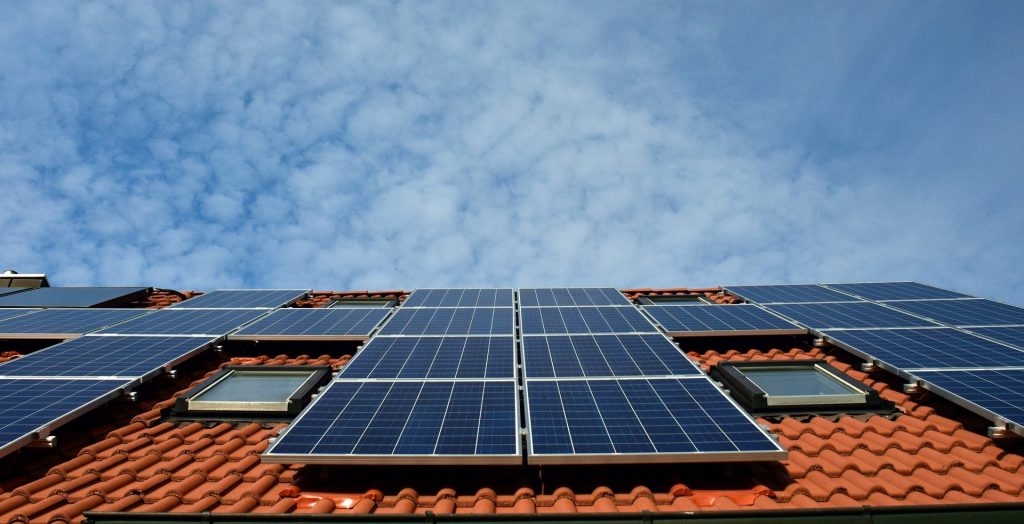
Solar energy as the basis for obtaining the exclusive use of renewables
SolarPower Europe and LUT University have released a new report that models a 100% renewable scenario for Europe to achieve climate neutrality
The study is the first of its kind to propose a fully renewable path to achieve climate neutrality for the European energy system, presenting three transition paths, with different levels of ambition. One of the main conclusions of the report is that the path of low ambition in Europe is a burden on society, both from the point of view of climate change and from the economic point of view. 100% renewable scenarios lead to lower unit energy costs and show that achieving climate neutrality by 2050 is more cost-effective compared to a lower level of ambition.
Michael Schmela, Executive Advisor and Head of Market Intelligence at SolarPower Europe, said: "Solar energy is expected to generate more than 60% of European electricity by 2050. But this must be accompanied by a high rate of electrification and sectoral integration, which is essential to achieve a 100% renewable and integrated energy system. " Electrolyzers for hydrogen production are also a crucial technology for this scenario, since from 2030 renewable hydrogen will contribute to the total decarbonisation of the heat and transport sectors, becoming the second key energy vector in Europe. Additionally, electricity storage is becoming increasingly important in providing an uninterrupted power supply, with batteries contributing up to 70% of storage.
Aurélie Beauvais, Policy Director for SolarPower Europe, said: "To achieve an energy system based on 100% renewable energy by 2050, in which solar and wind energy are the main pillars of the energy transition, the Policy makers should focus on creating the appropriate political and financial frameworks to enable terawatt growth. As a first step, the EU should enshrine the climate neutrality target in legislation and review the EU GHG target for 2030 to Comply with the Paris Agreement of 1.5 ° C. By 2030, policymakers must prioritize electrification based on renewable energy, paving the way for the development of competitive and sustainable hydrogen solutions in the low-cost wind and solar energy to act as the main energy vectors. We also call for the establishment of a body for the implementation of the clean energy package, to remove the regulatory and administrative frameworks that remain the main obstacle to the deployment of solar and renewable energy in Europe. "
The report, 100% Renewable Europe: How to make Europe’s energy system climate neutral before 2050, was launched during a webinar with a presentation from Paula Abreu Marques, Head of Unit Renewables and CCS Policy European Commission. The LUT Energy System Transition model used in this study is applied across an integrated energy system covering demand from power, heat, and transport sectors, which enables the modelling of cost-optimal energy system transition pathways on high levels of geo-spatial (20 regions in Europe) and temporal (hourly) resolutions.